

Methanol poisoning: A Hidden Danger for International Travellers: Know the signs.
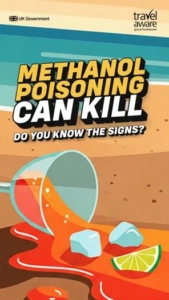
Methanol poisoning can happen to anyone. Methanol poisoning has been reported in popular tourist destinations around the world including Indonesia, Vietnam, Laos. These are all popular destinations among young British nationals. As international travel continues to increase, it is vital that travellers understand the dangers that can lurk behind alcoholic drinks.
Last year, six tourists died from suspected methanol poisoning in Vang Vieng, Laos. They were staying in a backpacker Hostel, which offered complimentary free shots of spirits contaminated by methanol.
The full list of countries listed by the FCDO as posing a risk of methanol poisoning are: Brazil, Bangladesh, Cambodia, Costa Rica, Ecuador, Fiji, India, Indonesia, Iran, Jordan, Kenya, Kuwait, Laos, Libya, Malawi, Malaysia, Mexico, Morocco, Nepal, Nigeria, the Philippines, Papua New Guinea, Peru, Russia, Rwanda, Thailand, Turkey, Uganda, and Vietnam.
Why is Methanol Added to Alcoholic Drinks?
Methanol is sometimes added to counterfeit or homemade alcoholic drinks as a cheaper alternative to ethanol. This practice is more common in countries with less strict regulations on the production of alcohol.
Recognising the Signs of Methanol Poisoning
One of the greatest dangers of methanol is that it can be difficult to detect. It has little to-no smell, is colourless, and is virtually tasteless. You only need to ingest a small amount for it to cause serious and devastating effects on the body. Medical experts believe that as little as 30ml (roughly equivalent to a shot) of methanol can be fatal for an adult, while 10ml can cause blindness.
Symptoms of methanol poisoning can be similar to a bad hangover and can be difficult to identify. However, unlike a hangover, symptoms usually get worse over time and should never be ignored. Methanol poisoning is a medical emergency, and urgent medical attention is essential to serious illness or death.
Early symptoms include:
- Nausea and vomiting
- Dizziness
- Fatigue or drowsiness
- Confusion
- Severe headache
More severe symptoms can develop 12–48 hours after ingestion and may include:
- Blurred vision
- Breathlessness/ hyperventilation
- Abdominal pain
- Vertigo
- Sensitivity to bright light
- Tunnel vision
- Seeing flashing lights or “snow” similar to static on an old television screen • Partial or complete permanent blindness
- Seizures
- Loss of consciousness or coma
Treatment
Treatment is most effective when administered within 10–30 hours of ingestion, making early recognition and prompt medical care critical.
Treatment may include:
- Fomepizole, If available in country
- Ethanol therapy, which can block the toxic effects of methanol
- Haemodialysis to remove methanol and its toxic by-products from the bloodstream
Delaying treatment can significantly worsen outcomes.
Staying Safe While Travelling
Holiday environments can make it easy to let your guard down. Warm weather, social events, nightlife, and unfamiliar surroundings can increase vulnerability. When consuming alcohol abroad, extra caution is essential.
How to Reduce Your Risk
- Avoid free cocktails or shots, unlabelled bottles and unusually cheap or discounted drinks claiming to be brand name alcohol.
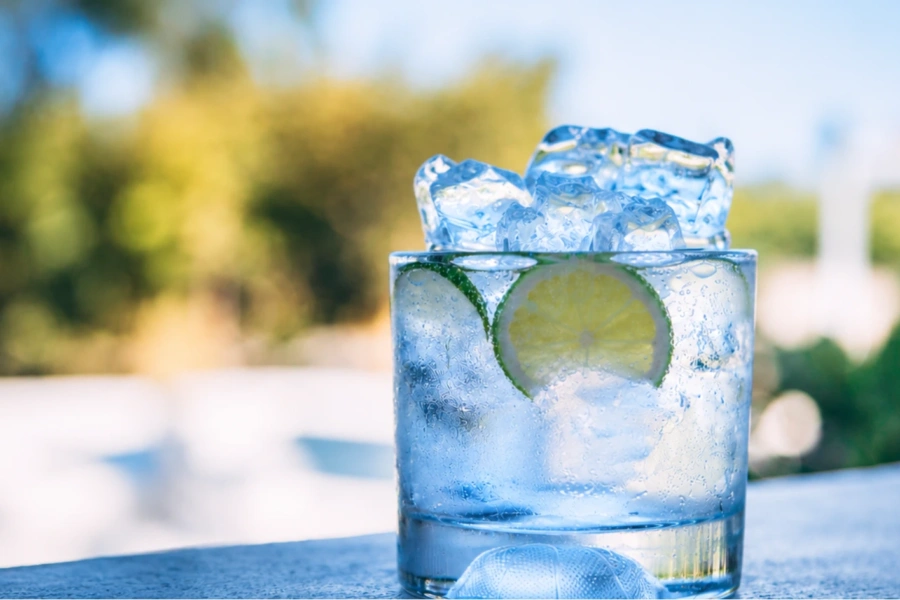
- Be careful about spirit-based drinks such as those ‘on the rocks’, shots, cocktails, buckets or jugs.
- Choose branded beers, ciders, wines and premixed cocktails in sealed bottles and cans.
- Stick to licensed places: buy drinks from licenced stores, bars, clubs, restaurants and hotels. Avoid homemade, ‘bootleg’ or streetside alcohol.
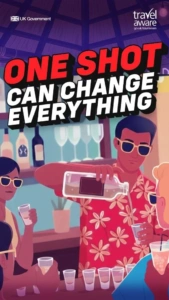
Alcohol and Travel: Other Health Risks
Methanol poisoning is only one of several alcohol-related risks travellers should be aware of.
Cocktails and mixed drinks may contain contaminated water, ice, or fruit juice, increasing the risk of gastrointestinal infections, travellers’ diarrhoea, and illnesses such as Hepatitis A.
Key Message
Counterfeit alcohol and methanol poisoning remain a significant but often overlooked travel health risk. The effects can be devastating and are largely preventable.
Stay aware purchase alcohol from reputable sources, avoid free and suspiciously cheap drinks, and seek urgent medical attention if you or a friend suspect methanol poisoning.
Seek advice at one of our Nomad Masta Specialist travel health clinics before travel for recommended vaccinations and advice on medication to support traveller’s diarrhoea and symptoms of alcohol related dehydration.
Check FCDO travel advice for your destination and sign up to email alerts for the most up-to-date information before you travel: Foreign travel advice – GOV.UK