
Worried about drinking water abroad? Contaminated food and water can expose travellers to bacteria, viruses and parasites that cause illnesses such as travellers’ diarrhoea, hepatitis A, typhoid and cholera.
Knowing how to drink water safely abroad, how to treat water when travelling and which travel vaccinations may be recommended can help reduce your risk of becoming unwell.
What Is Waterborne Illness?
Waterborne illnesses are infections caused by microorganisms that can be present in contaminated water. These include bacteria, viruses and parasites.
Contamination can occur when drinking water comes into contact with sewage, animal waste or other sources of infection. Poor sanitation, inadequate water- treatment infrastructure, flooding, natural disasters and conflict can all increase the
risk of contaminated water.
For travellers, one of the most common consequences is travellers’ diarrhoea, although some waterborne infections can cause much more serious illness.
Where Is There a Higher Risk of Waterborne Illness?
The risk of contaminated drinking water varies around the world and can differ significantly within individual countries.
Higher-risk areas can include parts of:
- Asia, including India, Thailand, Vietnam and Indonesia
- Central and South America, including Mexico, Brazil and Peru
- Africa
- The Middle East
Accommodation, planned activities, destination and travel itinerary can all affect your individual risk.
If you are unsure whether the water will be safe to drink at your destination, speak to
a travel health professional before you travel.
What Illnesses Can You Get From Contaminated Water?
Contaminated water can contain a range of disease-causing organisms.
Bacterial infections
Examples include:
- E. coli – commonly associated with travellers’ diarrhoea
- Campylobacter
- Salmonella
- Typhoid
- Cholera
Viral infections
Hepatitis A is an important travel-related infection that can be transmitted through contaminated food and water.
Other viruses can also cause gastrointestinal infections.
Parasitic infections
Examples include:
- Giardia
- Cryptosporidium
Symptoms can vary depending on the infection but may include diarrhoea, stomach cramps, nausea, vomiting, fever and dehydration.
How to Drink Water Safely Abroad
If you are travelling to a destination where tap water is not considered safe to drink, take precautions to avoid consuming contaminated water.
Don’t drink unsafe tap water
Where local advice indicates that tap water is unsafe, use sealed bottled water or appropriately treated water for drinking.
You should also consider using safe water when:
- Brushing your teeth
- Rinsing your mouth
- Taking medication
- Making drinks
- Washing food that will be eaten raw
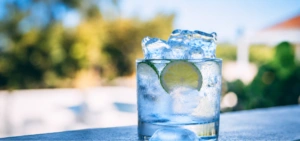
Be careful with ice
Avoid ice in drinks unless you know it has been made using safe water.
Ice can present a risk if it has been made from contaminated tap water, even if the drink itself is otherwise safe.
Choose sealed drinks
When travelling in higher-risk destinations, consider:
- Sealed bottled water
- Canned drinks
- Sealed, commercially produced drinks
- Pasteurised drinks where appropriate
- Tea and coffee made with freshly boiled water
Always check that bottled drinks are properly sealed and buy them from reputable shops, restaurants and cafés.
How Can You Purify Water While Travelling?
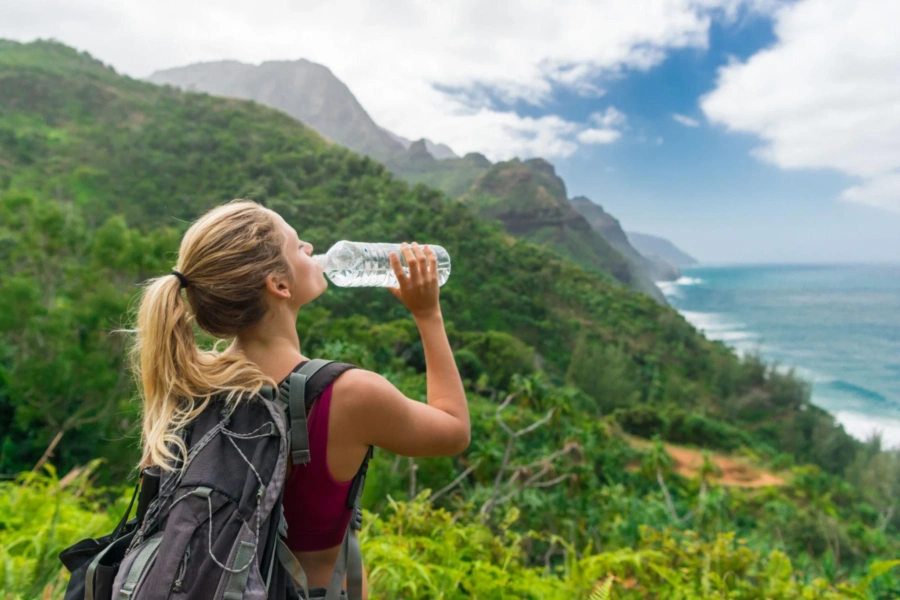
If you are travelling somewhere remote where safe drinking water is unavailable, you may need to purify or filter water yourself.
There are several options, including:
1. Boiling Water
Boiling is a reliable method of treating water because high temperatures can kill or inactivate many disease-causing microorganisms.
Bring water to a rolling boil and follow current travel-health guidance for the appropriate boiling time. At high altitude, boiling conditions can differ, so additional precautions may be required.
The main disadvantage is practicality: you need access to a suitable heat source and enough time and fuel to treat the amount of water required.
2. Chemical Water Treatment
Water-purification products such as chlorine dioxide tablets or drops can be useful when travelling.
They are lightweight and convenient, making them particularly suitable for backpacking, trekking and remote travel.
Always follow the manufacturer’s instructions, including the correct dosage and contact time. The effectiveness of chemical treatment can vary depending on the product and the quality of the water.
If water is cloudy or contains visible particles, it may need to be filtered before chemical treatment.
3. Portable Water Filters
Portable water filters and filter straws can be useful when travelling or participating in outdoor activities.
Depending on the filtration technology, they may remove contaminants such as:
- Bacteria
- Protozoa and other parasites
- Sediment
- Particles
However, not all water filters remove viruses.
This is an important consideration when choosing a travel water filter. Always check the manufacturer’s specifications to understand exactly what the filter can and cannot remove.
4. Filtered Water Bottles
A filtered water bottle can provide a convenient way of treating water while travelling.
Depending on the technology used, some products are designed to reduce orremove a combination of bacteria, protozoa, viruses, chemicals, heavy metals and other contaminants.
A filtered water bottle can be a useful addition to your travel kit, whether you are trekking in remote areas or staying in a hotel where tap water is not suitable for drinking.
They are generally straightforward to use. For travellers visiting destinations where safe drinking water is not available, a suitable filter bottle can provide an additional practical option whilst reducing reliance on disposable plastic bottles can also help minimise plastic waste while travelling.
Filtration technology varies between products. Always choose a bottle that is specifically designed to remove the contaminants you may encounter at your destination, and follow the manufacturer’s instructions for use and filter replacement.
Recommended Travel Vaccinations
Vaccinations are available to help protect against several infections associated with contaminated food and water, including:
- Hepatitis A
- Typhoid
- Cholera
Whether vaccination is recommended will depend on factors such as your destination, the areas you will be visiting, the length and type of your trip, your accommodation and planned activities.
Our travel clinics can provide a personalised travel health risk assessment with one of our clinicians. They can discuss your itinerary, advise you on appropriate vaccinations and provide practical guidance on food, water and hygiene precautions.
Stay Safe and Enjoy Your Trip
Waterborne illness can be prevented in many cases by taking a few simple precautions. Check the safety of the water at your destination, choose drinks carefully and consider carrying a suitable water-treatment option if you are travelling somewhere with limited access to safe drinking water.