

Hajj 2026: Why the Meningitis ACWY Vaccine is Essential for Pilgrims
Every year, millions of Muslims gather in the Kingdom of Saudi Arabia to perform Hajj. Travel to the Hajj requires careful planning and travel health preparation.
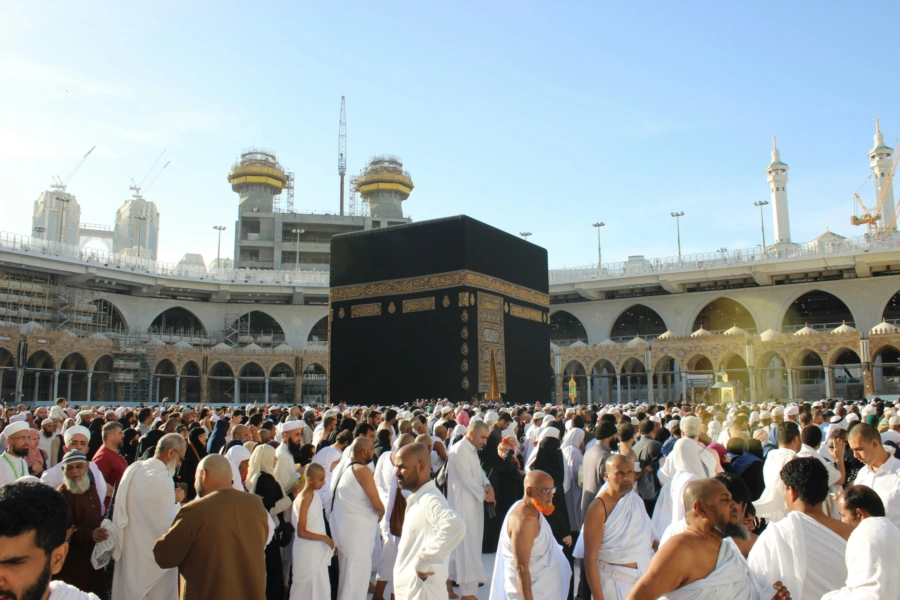
Hajj is one of the largest annual mass gatherings in the world. Pilgrims from over 180 countries come together in close proximity. These crowded conditions significantly increase the risk of infectious diseases, particularly meningococcal meningitis, a serious infection spread through close respiratory contact.
Meningitis ACWY vaccine is a mandatory requirement for all pilgrims attending Hajj and remains one of the most important safeguards against meningitis infection; protecting the individual pilgrim and preventing the spread of disease among millions of attendees.
What is Meningitis?
Meningococcal disease is a serious infection spread through coughing, sneezing, kissing or during close contact with a carrier. It can cause meningitis or septicaemia (blood poisoning).
- Meningitis symptoms: sudden fever, severe headache, stiff neck, nausea, and vomiting.
- Septicaemia symptoms: fever, chills, confusion, and rash.
Both conditions can worsen quickly and can be life-threatening, with a high risk of complications.
Meningitis Infection Prevention Tips:
- Cover your mouth and nose with a tissue when coughing or sneezing, then throw it away.
- Avoid close contact with people who are unwell (e.g. coughing or sneezing).
- Do not share personal items to help prevent the spread of infection.
What is the Meningitis ACWY Vaccine?
The Meningitis ACWY vaccine protects against four strains of meningococcal bacteria: A C W and Y. These strains are responsible for severe and potentially fatal infections.
Meningitis ACWY Vaccine Hajj 2026 Compulsory Requirements
- All pilgrims aged 1 year and above must be vaccinated.
- It is compulsory to possess a valid vaccination certificate with a validity period not exceeding five years since vaccination.
- A valid vaccination certificate showing that you have received the quadruple meningitis ACWY vaccine is required for entry into Saudi Arabia.
- Vaccination must be received at least 10 days before arrival.
Without proof of vaccination, pilgrims may not be granted a Hajj visa or entry.
Pilgrims must ensure their certificate clearly states the vaccine type and date.
Additional Recommended Vaccinations
While the Men ACWY vaccine is mandatory, other vaccines may also be recommended. These include:
- Diphtheria Tetanus Polio
- Dengue
- Hepatitis A
- Hepatitis B
- Influenza (flu)
- COVID-19
Our specialist travel health clinicians will be able to advise if any additional vaccinations are required or recommended based on medical and vaccination history.
Practical Health and safety Tips for Hajj 2026
- Prevent Traveller’s Diarrhoea
- Maintain good hygiene, especially frequent handwashing.
- Carry hand sanitiser for convenience.
- Avoid sharing bottles or cups; use your own cup when drinking Zam Zam water in the Haram.
- Pack diarrhoea relief medication, including loperamide and oral rehydration sachets.
- Protect Yourself from the Heat
- High temperatures in Saudi Arabia can lead to dehydration, heat exhaustion, heatstroke, and sunburn.
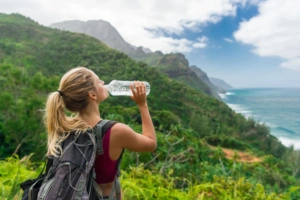
- Take regular rest breaks, stay in shaded areas, and drink plenty of water.
- Use high-factor sunscreen, wear sunglasses, and consider using an umbrella for shade.
- Where possible, perform rituals during cooler evening hours.
- Avoid Mosquito Bites
- Apply insect repellent (e.g., DEET) on exposed skin (after applying sunscreen).
- Wear long, loose-fitting clothing.
- Use mosquito nets if accommodation is not well-sealed or air-conditioned.
- Plug-in repellents can be helpful in hotels.
- Be aware that mosquito-borne illnesses such as dengue can occur in Mecca.
- Carry a Basic Medical Kit
Include:
- Painkillers
- Plasters and dressings
- Antiseptic
- Antifungal cream
- Diarrhoea relief medication
- Antihistamines
- Protect Personal Belongings
- Keep valuables (money, phone, passport, medications) secure in a hidden money belt.
- Stay Safe in Crowds & Traffic
- Be cautious when crossing busy roads—traffic can be hazardous.
- Large crowds, especially during rituals like the stoning rite, can lead to pushing, falls, or crushing.
- Try to avoid peak times and heavily congested areas.
- Travel Preparedness
- Ensure you have adequate travel health insurance.
- Carry copies of prescriptions and your GP’s details in case of emergency treatment.
As you prepare for Hajj 2026, It is important ensure your vaccinations are up to date, your documentation is complete, and your health is prioritised. A safe pilgrimage allows you to fully focus on the spiritual significance of this once-in-a-lifetime journey.
Our Travel clinics can provide you with a personalised risk assessment and advice on other recommended vaccines. Speak with one of our experienced Nomad Masta travel clinicians today.
https://travelhealthpro.org.uk/disease/120/meningococcal-disease