
 Ireland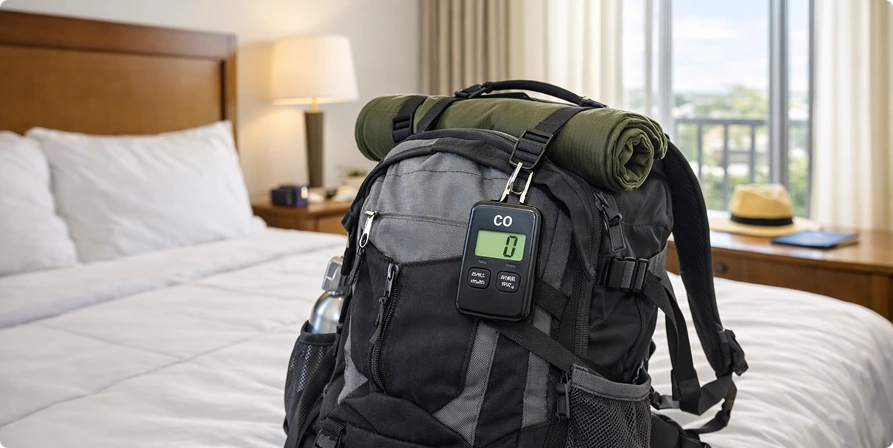

Carbon Monoxide Poisoning: A Hidden Travel Health Threat
Carbon monoxide (CO) is an invisible danger. Odourless, colourless, and tasteless, this toxic gas can change a holiday into a medical emergency. Unfortunately, many travellers remain unaware of carbon monoxide poisoning, its risks, early warning signs. and how easily it can be prevented when travelling abroad.
Carbon Monoxide Incidents Abroad
Over the years, there have been numerous reports of traveller’s deaths due to carbon monoxide exposure while overseas. Tragically, many incidents occur at night when people are asleep.
- 2018: A British couple died after carbon monoxide exposure in a hotel room in Egypt.
- 2022: Three American tourists lost their lives at a Sandals resort in the Bahamas due to CO poisoning.
- 2023: A young volunteer died while staying in a homestay in Quito, Ecuador.
- 2024: Twelve people died at a ski resort in Georgia after carbon monoxide leaked into accommodation located above a restaurant.
- 2025: A family died from carbon monoxide poisoning while staying in a rental property in Mexico.
These cases highlight that carbon monoxide poisoning is a significant travel health risk and can occur in any type of accommodation and in any country.
Why Carbon Monoxide Poisoning Happens
Hotels, hostels, guesthouses, and rental properties may contain gas-powered appliances such as boilers, water heaters, or cooking equipment. These may be faulty, outdated, or poorly maintained causing carbon monoxide gas to spread rapidly and build up indoors to dangerous levels.
Even well-maintained appliances can develop faults unexpectedly. Unfortunately, there are no global standards for gas safety and regulations and requirements for carbon monoxide detection vary widely between countries. Travellers cannot assume CO alarms are present or functioning and no matter where they stay, they should take preventative measures.
Recognising the Symptoms
Carbon monoxide poisoning often presents with vague, non-specific symptoms, including:
- Headache
- Dizziness or light-headedness
- Nausea or vomiting
- Fatigue or weakness
- Confusion or difficulty concentrating
- Shortness of breath
- Chest pain
- Disorientation or loss of consciousness
Because these symptoms can be mistaken for food poisoning, altitude sickness, or viral illnesses such as colds or flu, CO poisoning can easily be misdiagnosed or overlooked which can delay vital treatment and in some cases, lead to fatal outcomes.
Certain groups are particularly vulnerable, including children, pregnant women, older adults, and people with heart or lung conditions. In these individuals, early symptoms may be subtle and mistaken for tiredness or general illness.
It is important to be aware that unlike flu or colds, carbon monoxide poisoning does not typically cause fever or nasal congestion and that if several people become unwell at the same time, it may be a warning sign of CO poisoning.
Treatment for Carbon Monoxide Poisoning
Immediate treatment involves administering 100% high-flow oxygen via a tight-fitting mask. When given promptly, this treatment can be lifesaving. In severe cases, hyperbaric oxygen therapy (HBOT) may be required.
What to Do If You Suspect CO Exposure
If you believe carbon monoxide exposure may be occurring:
- Move to fresh air immediately
- Seek urgent medical attention, even if symptoms seem mild
- Inform accommodation staff and contact emergency services
- Do not re-enter the area until it has been declared safe
Prevention and Protection While Travelling
Carry a portable carbon monoxide alarm
Travelling with a battery-powered, portable CO detector is one of the most effective ways to protect yourself. A CO alarm is the only reliable way to detect carbon monoxide exposure and provides crucial time to escape and seek treatment. Place it in your accommodation, ideally in the bedroom.
Travel-friendly CO alarms are widely available online and are now sold in some airport stores such as WH Smith nationwide, making them easy to purchase if you have forgotten to pack one. Always choose alarms that are CE-approved or Kitemarked.
Check your accommodation
On arrival, look for potential CO sources such as boilers, gas heaters, or fireplaces. Avoid sleeping in rooms with visible gas appliances unless they are properly vented. Be particularly cautious in colder climates where heating systems may be running continuously.
Checking Reviews
It can also be helpful to review accommodation feedback for mentions of gas smells or previous safety concerns.
For travellers, awareness is the strongest defence against carbon monoxide poisoning. Understanding the risks, recognising symptoms early, and taking simple precautions can save lives.
Start Making carbon monoxide safety part of your travel health preparation. Always consider the risk when travelling and include a portable CO alarm in your suitcase or backpack. For longer trips where you are sleeping in a number of different places, keeping the alarm attached to the outside of hand luggage may help to ensure it remains visible throughout your journey and act as a continual reminder to stay vigilant to the risk.
https://www.safertourism.org.uk/campaign-carbon-monoxide